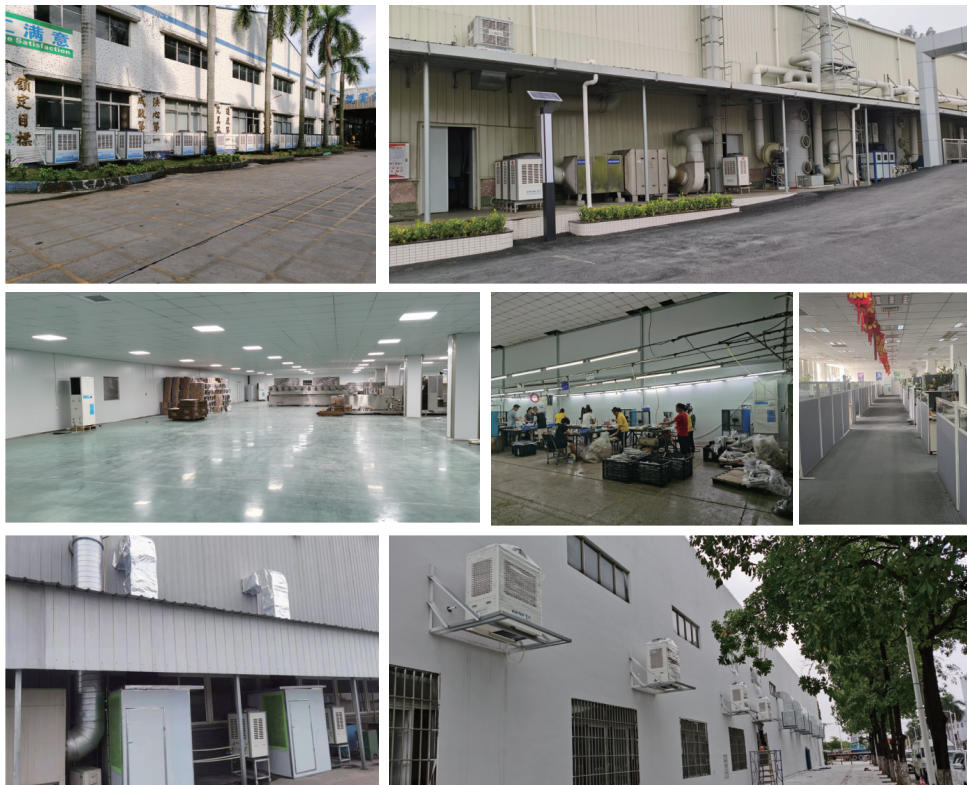
As highlighted by leading HVAC manufacturer Bryant, the global heat pump landscape centers on three foundational systems—air-source, geothermal (ground-source), and air-to-water—each engineered to transfer heat efficiently rather than generate it. Beyond these core residential-focused categories, the industry has rapidly expanded to deliver specialized, high-performance variants addressing commercial scalability, extreme climates, industrial processes, and dedicated hot water production. From frigid sub-zero environments to high-temperature industrial drying, modern heat pumps now encompass a versatile ecosystem including High-Temperature Heat Pump Dryers, Commercial Heat Pump Units, Ultra-Low-Temperature Variable Frequency Heat Pump Units, Variable Frequency Heat Pump Water Heaters, and Air Source Heat Pump Hot Water Systems, redefining efficiency across every sector.
The Core Trio: Foundation of All Heat Pump Systems
Bryant’s classification identifies the three primary heat pump architectures that form the basis of all modern heating solutions:
Air-Source Heat Pumps
The most prevalent residential choice, these systems extract heat from outdoor air and transfer it indoors for heating, reversing to cool homes in summer. Compact and easy to install, they operate effectively even in cold climates via advanced refrigerant technology, making them ideal for standard homes and retrofit projects.
Bryant’s classification identifies the three primary heat pump architectures that form the basis of all modern heating solutions:
Air-Source Heat Pumps
The most prevalent residential choice, these systems extract heat from outdoor air and transfer it indoors for heating, reversing to cool homes in summer. Compact and easy to install, they operate effectively even in cold climates via advanced refrigerant technology, making them ideal for standard homes and retrofit projects.
Geothermal (Ground-Source) Heat Pumps
Leveraging the earth’s consistent underground temperature, these systems use buried loop pipes to absorb or dissipate heat year-round. Offering superior efficiency and longevity, they excel in extreme climates but require higher upfront installation costs for ground loops.
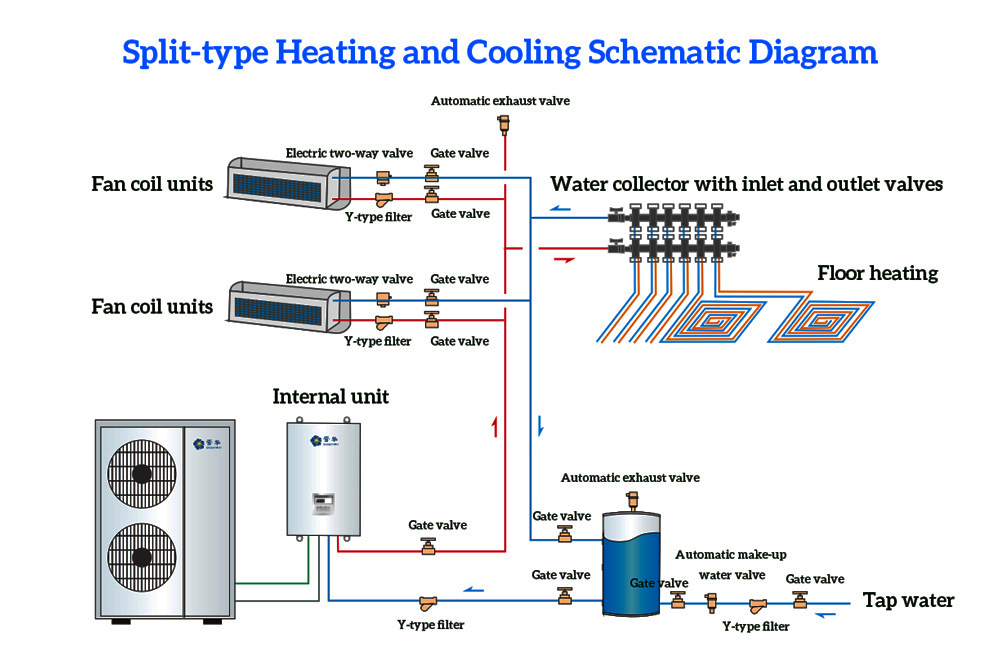
Air-to-Water Heat Pumps
A low-carbon alternative to traditional boilers, these units extract air heat and transfer it to water, circulating through radiators or underfloor heating. Paired with inverter technology, they thrive in cold climates and bridge the gap between air-source efficiency and hydronic heating comfort.
Specialized Heat Pump Variants: Meeting Commercial & Industrial Demands
Ultra-Low-Temperature Variable Frequency Heat Pump Units: Conquering Extreme Cold
Designed for harsh climates where standard heat pumps fail, Ultra-Low-Temperature Variable Frequency Heat Pump Units redefine operational limits with variable frequency (inverter) compressors and enhanced vapor injection (EVI) technology. Operating reliably at temperatures as low as -35°C to -40°C, these units dynamically adjust output to match heating demand, eliminating efficiency drops and defrost cycle struggles. Ideal for northern regions and high-altitude areas, they deliver stable warmth while cutting energy use by up to 30% vs. traditional heating.
Variable Frequency Heat Pump Water Heaters & Air Source Heat Pump Hot Water Systems: Efficient Hot Water for All
Two specialized systems dominate efficient hot water production:
Variable Frequency Heat Pump Water Heaters: Compact residential units that use inverter compressors to heat water efficiently, producing 3–4kWh of heat per 1kWh of electricity (75% more efficient than electric heaters). They eliminate constant cycling waste, providing on-demand hot water for homes.
Air Source Heat Pump Hot Water Systems: Scaled for apartments, hotels, and small businesses, these centralized systems integrate with building plumbing to supply bulk hot water. Smart controls enable off-peak operation, reducing grid strain and operational costs for property managers.
High-Temperature Heat Pump Dryers: Industrial Sustainability at Scale
High-Temperature Heat Pump Dryers are transforming industrial drying by replacing fossil fuel systems with low-carbon alternatives. Generating process heat up to 80–120°C, they serve food processing, pharmaceuticals, textiles, and agriculture. By recycling waste heat, they achieve COP values up to 4.5, drastically reducing carbon emissions and operating costs amid global decarbonization regulations.
Commercial Heat Pump Units: Scalable Solutions for Large-Scale Facilities
Commercial Heat Pump Units deliver high-capacity heating, cooling, and hot water for offices, hospitals, and industrial plants. Modular and customizable, they combine multiple heat pump modules for scalable output, with advanced controls optimizing performance across variable loads. Many offer dual heating/cooling functionality and operate efficiently at -29°C, eliminating backup boiler needs in cold climates.
The Future of Heat Pumps: Versatility for Every Application
From Bryant’s core residential systems to specialized industrial and commercial variants, heat pumps have evolved into a universal solution for sustainable heating. As governments phase out fossil fuel incentives and tighten emissions rules, Ultra-Low-Temperature Variable Frequency Heat Pump Units, High-Temperature Heat Pump Dryers, Commercial Heat Pump Units, Variable Frequency Heat Pump Water Heaters, and Air Source Heat Pump Hot Water Systems will lead the energy transition—proving heat pumps are no longer just residential tools, but essential workhorses for global decarbonization.
Leveraging the earth’s consistent underground temperature, these systems use buried loop pipes to absorb or dissipate heat year-round. Offering superior efficiency and longevity, they excel in extreme climates but require higher upfront installation costs for ground loops.
Air-to-Water Heat Pumps
A low-carbon alternative to traditional boilers, these units extract air heat and transfer it to water, circulating through radiators or underfloor heating. Paired with inverter technology, they thrive in cold climates and bridge the gap between air-source efficiency and hydronic heating comfort.
Specialized Heat Pump Variants: Meeting Commercial & Industrial Demands
Ultra-Low-Temperature Variable Frequency Heat Pump Units: Conquering Extreme Cold
Designed for harsh climates where standard heat pumps fail, Ultra-Low-Temperature Variable Frequency Heat Pump Units redefine operational limits with variable frequency (inverter) compressors and enhanced vapor injection (EVI) technology. Operating reliably at temperatures as low as -35°C to -40°C, these units dynamically adjust output to match heating demand, eliminating efficiency drops and defrost cycle struggles. Ideal for northern regions and high-altitude areas, they deliver stable warmth while cutting energy use by up to 30% vs. traditional heating.
Variable Frequency Heat Pump Water Heaters & Air Source Heat Pump Hot Water Systems: Efficient Hot Water for All
Two specialized systems dominate efficient hot water production:
Variable Frequency Heat Pump Water Heaters: Compact residential units that use inverter compressors to heat water efficiently, producing 3–4kWh of heat per 1kWh of electricity (75% more efficient than electric heaters). They eliminate constant cycling waste, providing on-demand hot water for homes.
Air Source Heat Pump Hot Water Systems: Scaled for apartments, hotels, and small businesses, these centralized systems integrate with building plumbing to supply bulk hot water. Smart controls enable off-peak operation, reducing grid strain and operational costs for property managers.
High-Temperature Heat Pump Dryers: Industrial Sustainability at Scale
High-Temperature Heat Pump Dryers are transforming industrial drying by replacing fossil fuel systems with low-carbon alternatives. Generating process heat up to 80–120°C, they serve food processing, pharmaceuticals, textiles, and agriculture. By recycling waste heat, they achieve COP values up to 4.5, drastically reducing carbon emissions and operating costs amid global decarbonization regulations.
Commercial Heat Pump Units: Scalable Solutions for Large-Scale Facilities
Commercial Heat Pump Units deliver high-capacity heating, cooling, and hot water for offices, hospitals, and industrial plants. Modular and customizable, they combine multiple heat pump modules for scalable output, with advanced controls optimizing performance across variable loads. Many offer dual heating/cooling functionality and operate efficiently at -29°C, eliminating backup boiler needs in cold climates.
The Future of Heat Pumps: Versatility for Every Application
From Bryant’s core residential systems to specialized industrial and commercial variants, heat pumps have evolved into a universal solution for sustainable heating. As governments phase out fossil fuel incentives and tighten emissions rules, Ultra-Low-Temperature Variable Frequency Heat Pump Units, High-Temperature Heat Pump Dryers, Commercial Heat Pump Units, Variable Frequency Heat Pump Water Heaters, and Air Source Heat Pump Hot Water Systems will lead the energy transition—proving heat pumps are no longer just residential tools, but essential workhorses for global decarbonization.